
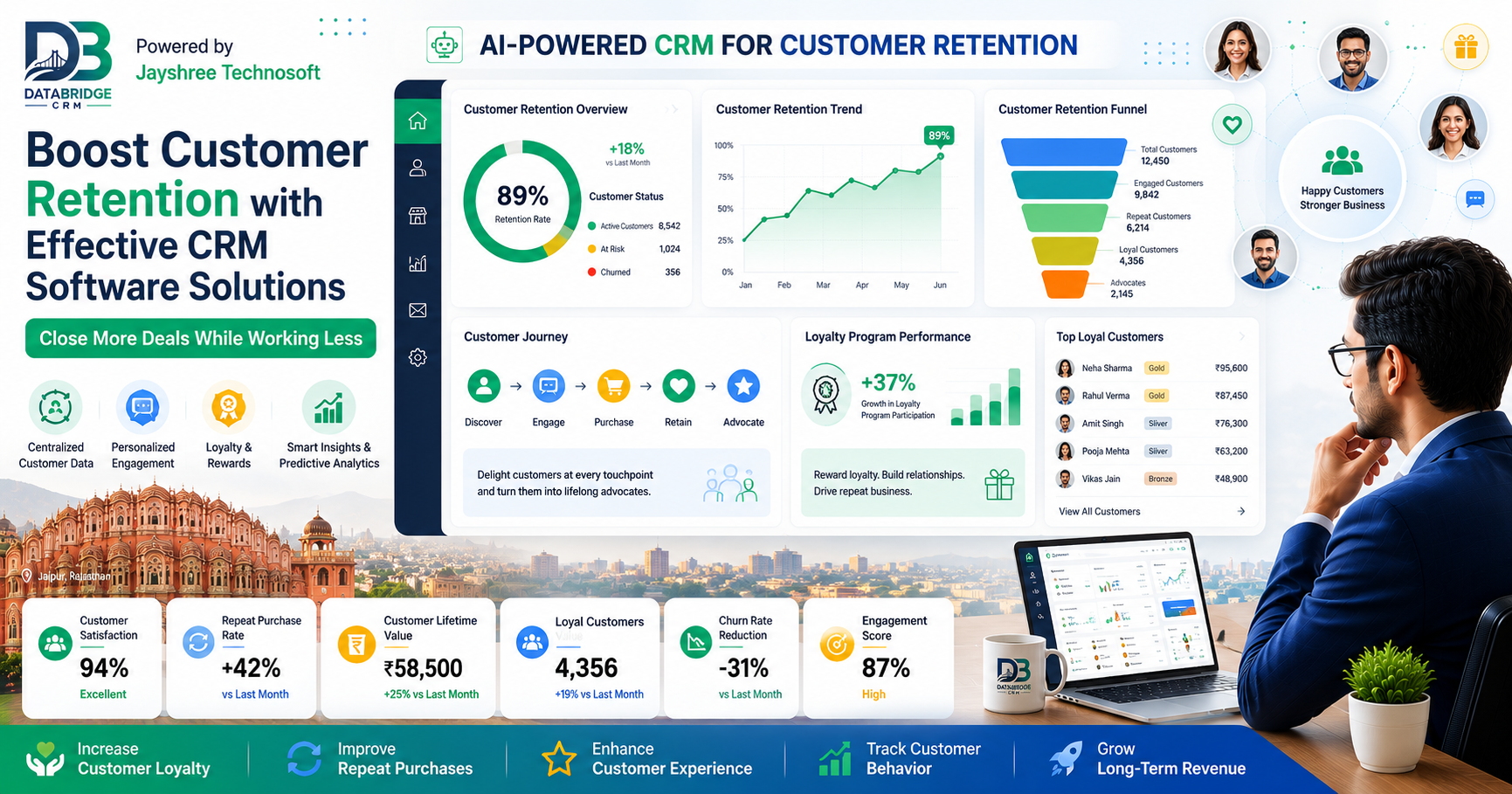
In today's competitive business landscape, acquiring new customers is often perceived as a priority. However, statistics reveal a different story: retaining existing customers can cost five to 25 times less than attracting new ones. This statistic highlights the urgent need for businesses to focus not just on acquisition but also on improving customer retention with CRM software solutions. For organizations seeking to enhance their customer relationships and maintain loyalty, deploying an effective Customer Relationship Management (CRM) system can facilitate remarkable transformations in retention strategies.
What Is CRM Software and Its Role in Customer Retention?
Customer Relationship Management software functions as a centralized platform that enables businesses to manage interactions with prospective and existing customers. By utilizing CRM systems, companies can collect data on customer preferences and behaviors, which can be analyzed to tailor marketing efforts and improve service delivery. This leads to personalized customer experiences that foster loyalty and engagement.
A robust CRM software not only streamlines management processes but also lays the groundwork for predictive analytics. By analyzing historical customer data, businesses can identify patterns and anticipate future behaviors, allowing for proactive engagement that strengthens customer relationships.
Key Features of Effective CRM Software Solutions
To bolster customer retention, an effective CRM system should encompass a range of features that support various business functions. Here are several essential features to look for:
- •- Data Analytics and Reporting: The ability to track customer interactions and analyze data to glean insights about customer preferences.
- •- Customer Segmentation: Tools to categorize customers based on behavior, purchase history, or demographics, enabling targeted marketing strategies.
- •- Automated Communication: Features that facilitate automated email campaigns and follow-ups to enhance customer engagement without requiring additional manpower.
- •- Customer Support Tools: Integrated support functionalities that ensure prompt responses to customer inquiries and complaints.
- •- Integration Capabilities: The ability to sync with other business systems, such as social media and accounting software, for a comprehensive view of customer interactions.
How Can CRM Software Improve Customer Retention?
Implementing CRM software can drive significant improvements in customer retention through various mechanisms:
Personalization: The Key to Customer Engagement
One of the leading advantages of CRM software is the ability to gather and analyze customer data. This data can be harnessed to create personalized experiences that cater to individual customer needs and preferences. For instance, a retail business can use customer purchase history data stored in CRM to recommend products tailored specifically to a customer’s interests. Such targeted recommendations enhance a customer’s shopping experience, making it more likely for them to return.
Proactive Customer Support
With a centralized CRM system, customer service teams can track customer interactions over time. This enables agents to anticipate issues, follow up proactively, and address customer needs before they escalate. Resolving disputes quickly not only prevents churn but also improves the overall perception of the brand.
Enhanced Communication
CRM software helps facilitate better communication between the business and its customers. Automation features allow for timely notifications about promotions, updates, or events that may interest customers. For example, birthday discounts or personalized reminders significantly enhance customer relationships, making customers feel valued.
Best Practices for Utilizing CRM in Retention Strategies
For businesses looking to maximize their CRM deployment for retention purposes, consider the following best practices:
- •- Regular Updates and Maintenance: Continuously update customer information to ensure accuracy, enabling better communication and targeting.
- •- Employee Training: Equip your staff with the knowledge and skills needed to leverage CRM features effectively for customer engagement.
- •- Feedback Mechanisms: Collect customer feedback through surveys or direct communications to refine strategies continually.
- •- Measurable Goals: Set clear metrics to evaluate customer retention efforts based on CRM data, allowing for targeted improvements.
Common Challenges and Solutions
Implementing a CRM system comes with its own set of challenges. Common issues include data quality, employee buy-in, and system integration obstacles. Here’s how to overcome them:
- Data Quality: Regularly audit and clean your customer data to ensure it is accurate and up to date. Utilize CRM tools designed for data management.
- Employee Resistance: Involve employees in the CRM selection and implementation process to foster ownership over the system, enhancing user engagement.
- Integration Issues: Work with experienced CRM providers to ensure seamless integration with existing systems. Prioritize solutions that offer strong support for onboarding.
Frequently Asked Questions
In conclusion, improving customer retention with CRM software solutions is not just a strategy-it's a necessity for businesses looking to cultivate loyalty and long-lasting relationships. The right CRM system can provide invaluable insights, enhance communication, and drive proactive customer engagement. For more information on effective CRM solutions tailored to your organization’s needs, consider exploring the offerings available at Data Bridge CRM. With the right tools and strategies in place, businesses can turn customer retention into a competitive advantage.

