
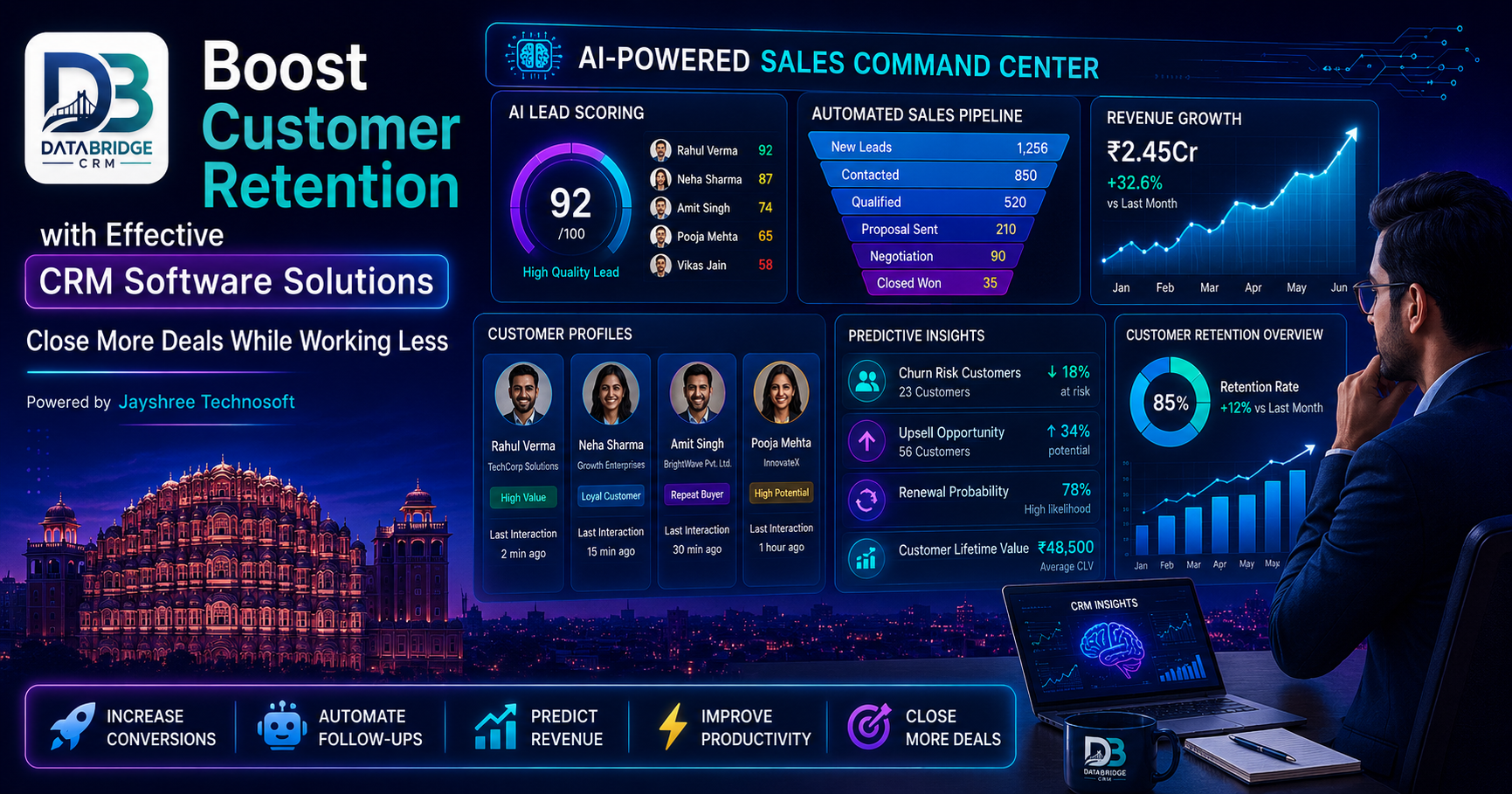
Understanding Customer Retention and Its Importance
In an era where businesses face stiff competition, customer retention is more crucial than ever. Retaining existing customers is not only cost-effective but also enhances brand loyalty and increases revenue. In fact, studies indicate that increasing customer retention rates by just 5% can lead to a profit increase of 25% to 95%. This startling statistic illustrates the potential value of investing in customer retention strategies. One of the most effective tools in this arsenal is Customer Relationship Management (CRM) software. By leveraging the right CRM solutions, businesses can meaningfully improve customer relationships and drive long-term engagement.
The Role of CRM Software in Customer Retention
CRM software serves as a comprehensive system that collects and organizes customer information. This wealth of data allows businesses to understand their customers' behaviors, preferences, and interactions, enabling them to tailor their strategies more effectively. When considering improving customer retention with CRM software, here are some key ways these tools can help:
Personalized Customer Experience
Today's customers expect personalized interactions. CRM software allows businesses to segment their clientele based on various criteria, such as purchase history, communication preferences, and demographic data. By customizing communications, offers, and support, companies can create a more engaging experience that resonates with individual customers.
Enhanced Communication
Effective communication is the backbone of customer retention. CRM platforms streamline interactions by providing tools for email marketing, social media outreach, and customer service management. This ensures consistent and timely communication, allowing businesses to keep customers informed about new products, offers, or important updates.
Data-Driven Insights
One of the standout features of CRM software is its ability to analyze data. By tracking customer interactions over time, businesses can identify trends and patterns that inform their strategies. For instance, they can determine when customers are most likely to make purchases or pinpoint services that require improvement. This data-driven approach not only enhances customer satisfaction but also drives loyalty.
Choosing the Right CRM Software for Your Needs
Even with the clear benefits, selecting the right CRM software can be daunting due to the breadth of options available. To make an informed choice, consider the following factors:
- •- Integration Capabilities: Ensure the CRM can integrate seamlessly with other tools you use, such as email marketing platforms or e-commerce websites.
- •- User-Friendly Interface: The software should be intuitive enough for your team to adopt quickly without extensive training.
- •- Scalability: Choose a solution that can grow alongside your business, offering features that expand as your needs evolve.
- •- Customer Support: Reliable customer service from the software provider can be invaluable, particularly during setup and troubleshooting.
Best Practices for Maximizing Customer Retention with CRM
To effectively utilize CRM software for retaining customers, businesses should adopt some best practices:
Regularly Update Customer Data
Accurate data is the lifeblood of CRM systems. Regularly updating customer records ensures that you have the most relevant information at your fingertips, facilitating effective segmentation and communication.
Train Your Team
Awareness and understanding of CRM features can significantly affect how your company uses the software. Conduct regular training sessions to help your team leverage the CRM’s capabilities to improve customer interactions.
Monitor Key Performance Indicators (KPIs)
Track performance metrics that relate to customer retention, such as Customer Lifetime Value (CLV), churn rate, and customer satisfaction scores. Monitoring these KPIs will allow you to gauge the success of your CRM efforts and adjust your strategies accordingly.
Real-World Impact: Case Studies
Many businesses have seen transformative results from implementing CRM solutions. For instance, a retail company that adopted CRM to streamline its customer communication experienced a 15% increase in retention in the first year alone. By utilizing customer data, they tailored marketing campaigns that directly aligned with their customers' interests.
Similarly, a software company employed CRM analytics to better understand customer behavior, enabling them to refine their services. This led to a significant drop in their churn rate and increased user engagement.
Conclusion
In conclusion, enhancing customer retention through CRM software is not just a viable strategy but a necessary one in today’s competitive market. By offering personalized experiences, maintaining effective communication, and leveraging data-driven insights, businesses can foster lasting relationships with their customers. When selecting a CRM, ensure it aligns with your company’s specific needs and strategies. Moreover, adhering to best practices for data management and team training will further solidify customer loyalty.
As you explore comprehensive CRM solutions, visit Data Bridge CRM for innovative tools designed to propel your customer retention strategies forward.

