
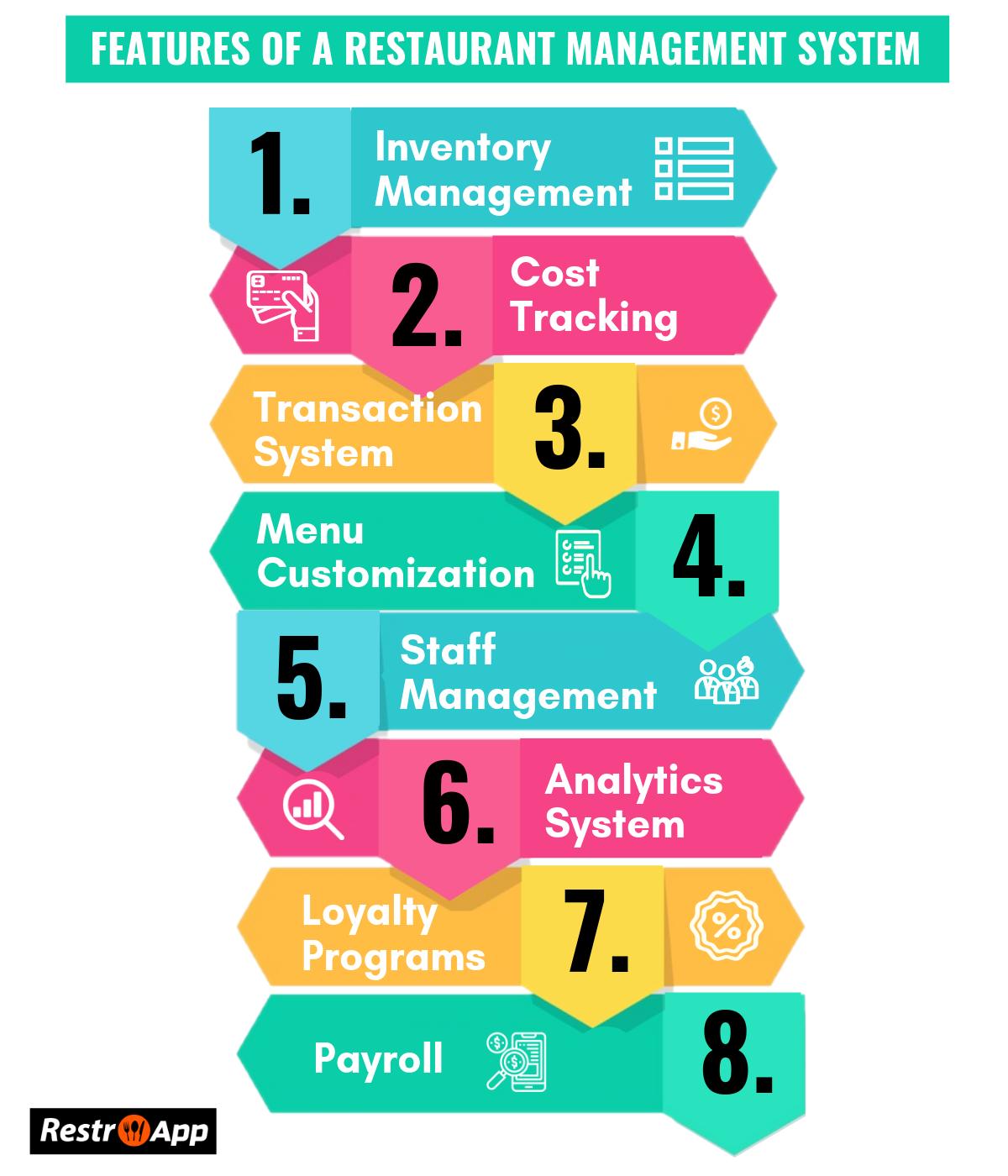
Restaurant software gets sold on features — table management, kitchen display, online ordering, loyalty. What actually determines whether a system helps or hinders is far simpler: whether it holds up during a Saturday evening rush.
This guide covers what restaurant management software should do, what to test before buying, and the requirements specific to Indian restaurants that generic systems miss.
The Test That Matters Most
How many taps does it take to punch an order?
During peak hours, a server takes an order every couple of minutes. Every extra tap is multiplied across hundreds of orders a night, every night. A system that takes eight taps instead of four doesn't cost you seconds — it costs you table turns.
Ask for a demo where you punch a realistic order: three items, one with a modification, one repeat, split across two rounds. Count the taps. That number is your daily reality for the next five years.
What Restaurant Software Actually Needs to Handle
Orders and tables
Taking orders at the table, adding items in rounds as guests order more, splitting bills between guests, merging tables, and transferring an order when guests move. These sound minor and they occur constantly.
Modifications and instructions
Less spicy, no onion, extra cheese, jain preparation, gravy separate. Indian restaurants handle far more customisation than most systems anticipate. If entering a modification requires typing free text every time, kitchen errors follow.
Kitchen communication
Orders reaching the kitchen accurately and in sequence — whether through a printed ticket or a screen. The common failure point is items ordered in later rounds not reaching the kitchen with clear timing, so a table gets its main course before its starters.
Multiple order channels in one place
Dine-in, takeaway, phone orders, delivery, and aggregator platforms. When these live in separate systems, someone reconciles them manually every night — and stock never matches.
Billing and GST
Correct tax treatment, split payments across cash, card and UPI, discounts and complimentary items with reasons recorded, and bills that print quickly. UPI must be prominent — for a large share of Indian diners it's the default.
Inventory and recipe costing
This is where restaurants find money. Linking dishes to ingredients means stock reduces as dishes sell, and you can see actual food cost per dish rather than estimating it. Most restaurants discover their assumptions about which dishes are profitable were wrong.
The Requirements Generic Systems Miss
It must work when the internet drops. Non-negotiable. Billing cannot stop because connectivity did. Ask this question explicitly and ask to see it demonstrated — not described.
Staff turnover is high. A new server should be taking orders competently within an hour, not after a training programme. If the system needs formal training to operate, it will be operated badly.
Multiple people, clear accountability. Who punched the order, who applied the discount, who cancelled the item. Not for suspicion — for knowing what happened when a bill is disputed.
It runs on affordable hardware. Tablets and phones the staff already understand, rather than proprietary machines at proprietary prices.
Where Restaurants Lose Money Invisibly
Wastage and pilferage nobody can quantify. Without inventory linked to sales, the gap between what should have been consumed and what actually was is invisible. Restaurants that implement recipe-linked stock tracking commonly find this is their largest recoverable cost.
Aggregator reconciliation. Orders, commissions, and settlements from delivery platforms are a significant manual burden. Any system that consolidates these saves real hours monthly.
Discounts without control. Complimentary items and staff discounts that nobody tracks add up substantially over a year.
No customer record. Most restaurants know nothing about the guest who visited fifteen times. Capturing even a phone number at billing allows targeted offers later — and repeat customers are considerably cheaper to reach than new ones.
What to Test Before You Buy
Insist on doing these yourself in the demo rather than watching them:
Punch an order with a modification and a later addition. Split a bill three ways with different payment methods. Cancel an item after it's gone to the kitchen. Apply a discount and see whether it's recorded with a reason. Disconnect the internet mid-billing. Produce yesterday's sales report. And check the daily closing process — how long does it take to close the day?
If any of these takes more than a minute or needs a workaround, that's what your evenings will look like.
Questions to Ask About Cost
What is the total first-year cost including setup, training, and support? Is it charged per outlet, per terminal, or per user? Are updates included? What happens if we add a second location? And what does support response look like on a Saturday night, when problems actually occur?
That last question separates vendors quickly.
Our Approach
DataBridgeCRM's Restaurant CRM is built around the operational realities above — order handling with modifications, kitchen communication, GST billing with UPI, inventory linked to recipes, and customer records that let you reach repeat guests through WhatsApp.
It sits within our wider platform, which means restaurant billing connects to inventory, customer records, and marketing rather than standing alone — so the guest who visited fifteen times is someone you can actually reach.
Running a restaurant and evaluating systems? Book a free demo and bring your own order scenarios — including the awkward ones. Those are the ones worth testing.

