
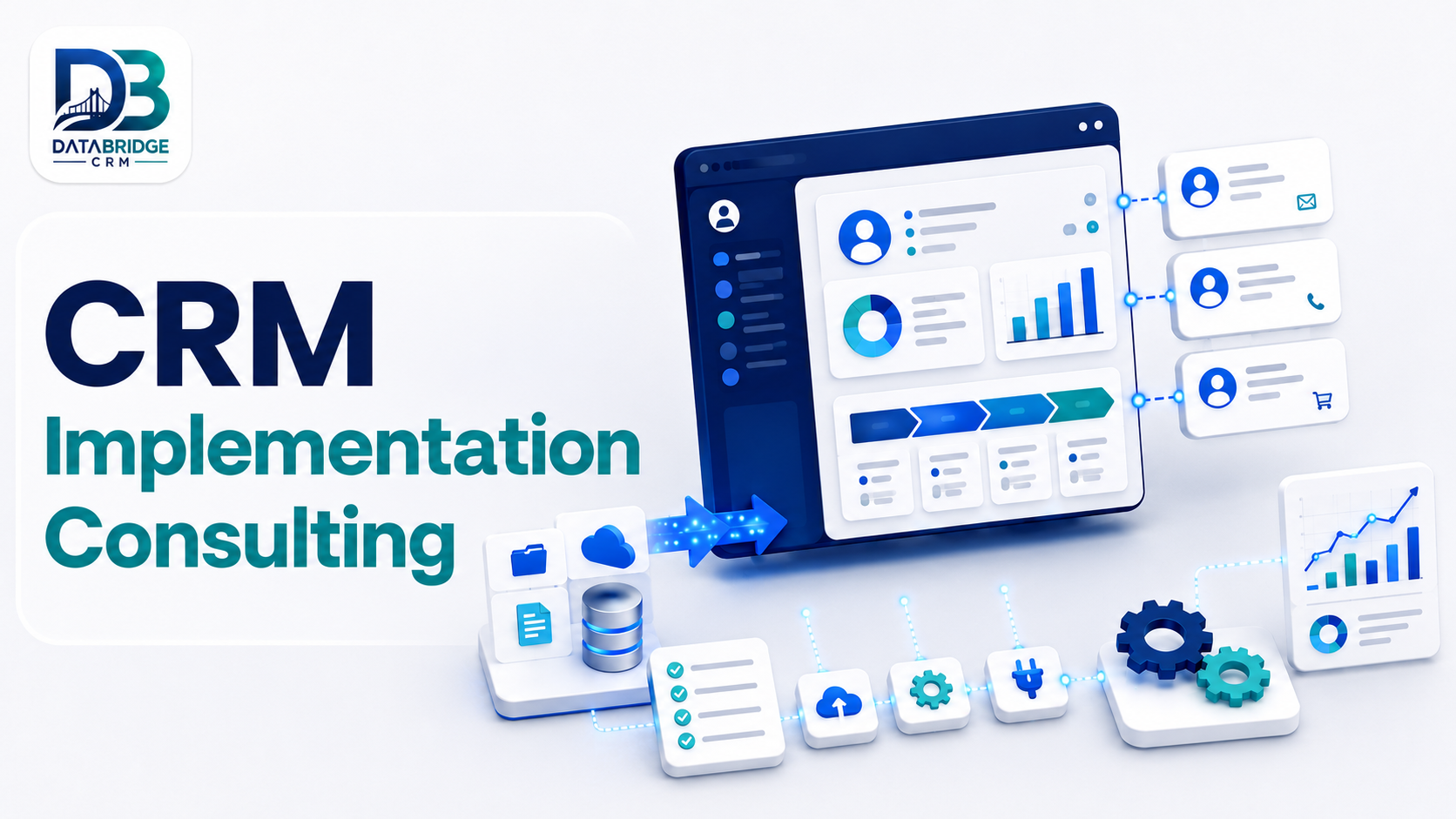
CRM success depends on process design and user adoption, not
only software features. Here is a practical roadmap for implementing a CRM that
teams will actually use.
Why CRM Projects Often Underperform
A CRM may have powerful features and still fail if it does
not match the company’s sales process. Common problems include unclear
ownership, poor-quality data, unnecessary fields, missing integrations and
limited training. CRM consulting services in Jaipur can help convert business
requirements into a usable system instead of treating deployment as a simple
software purchase.
The first step is to define measurable goals. These may
include faster lead response, fewer missed follow-ups, better pipeline
visibility, automated reminders or improved campaign tracking. Clear goals
determine which modules, reports and automations are genuinely necessary.
The Main Stages of CRM Implementation
A sound implementation normally includes process discovery,
data preparation, configuration, integration, testing, training and post-launch
review. During discovery, teams map lead sources, qualification stages,
follow-up rules, approval points and reporting needs. Data preparation removes
duplicates and standardizes customer records before migration.
Configuration should keep the interface focused. Create only
the fields and stages that employees need. Connect relevant systems such as
ERP, billing, email, WhatsApp, SMS or marketing tools so that teams do not
re-enter the same information. Test real scenarios before the final launch.
Customization Versus Complexity
Custom CRM solutions can reflect unique processes, but
excessive customization increases maintenance and makes future changes harder.
Prioritize workflows that directly affect revenue, service quality or
compliance. Keep low-value exceptions outside the first phase and add them only
when real usage proves they are necessary.
DataBridgeCRM offers industry-specific CRM and ERP modules
alongside marketing, communication and AI tools. Businesses can explore a setup
aligned with their sector, including hotels, hospitals, schools, couriers,
garages, restaurants, retail and e-commerce.
User Adoption Is the Real Launch
A CRM becomes valuable only when users enter accurate
information and use it consistently. Training should be role-based: salespeople
need lead and follow-up workflows, managers need dashboards, and administrators
need control over users and data. Short guides and a named internal CRM owner
can improve adoption.
After launch, review usage, conversion stages, response
times and incomplete records. CRM implementation is not a one-time event; it is
a cycle of measurement and improvement. A well-planned system can become the
shared source of truth for customer relationships and business decisions.
Conclusion
If your business is evaluating CRM consulting services in
Jaipur, begin with a clear requirement map and a demonstration based on your
actual workflow. DataBridgeCRM brings CRM, ERP, workspace, marketing,
communication and AI capabilities into a connected ecosystem designed to help
growing businesses work more efficiently.
Call to action: Book a personalized DataBridgeCRM demo to
discuss your current process, priority challenges and suitable modules.
Frequently Asked Questions
How long does CRM
implementation take?
The timeline depends on users, data quality, integrations
and customization. A focused phased rollout is usually faster and easier to
adopt than a large all-at-once launch.
What is CRM
integration?
CRM integration connects customer data with tools such as
ERP, billing, email, messaging and marketing platforms to reduce duplicate
entry and improve visibility.
What should I ask
during a CRM demo?
Ask the provider to demonstrate your real lead journey, follow-up rules, reports, integrations, access controls and support process.

