
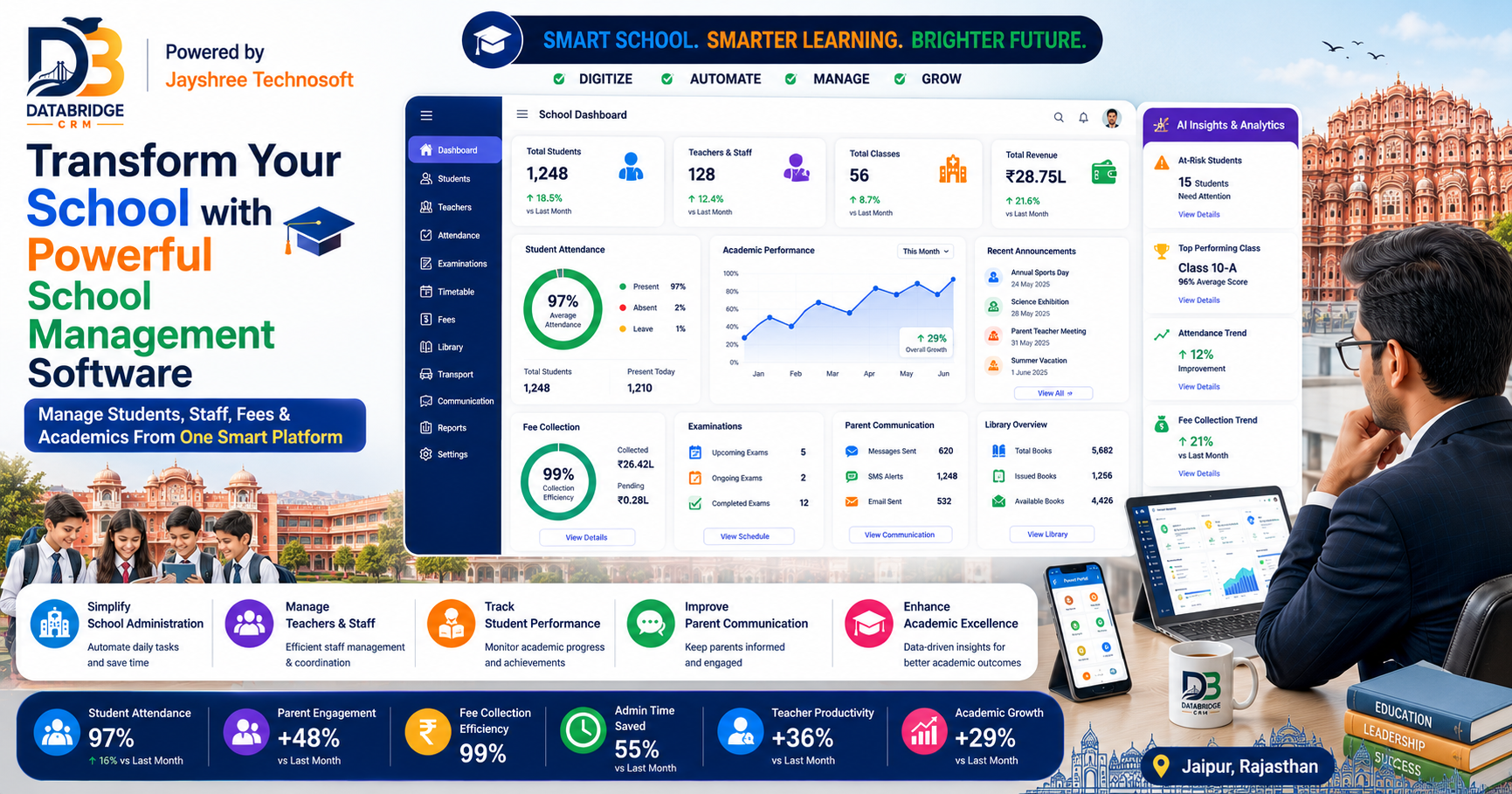
In an era where educational institutions face mounting pressure to improve efficiency, enhance communication, and foster an engaging learning environment, the need for robust solutions has never been more critical. Enter school management software-a transformative tool that empowers educational organizations to streamline their operations and enhance their interaction with students, parents, and staff. The implementation of effective School Management Software for Educational Institutions not only simplifies administrative tasks but also enables educators to focus on what truly matters: delivering quality education.
This article explores how schools can leverage powerful management software to transform their operations, improve stakeholder engagement, and ultimately elevate student outcomes.
The Benefits of School Management Software
Implementing school management software offers numerous advantages that can significantly enhance daily operations. Here are some key benefits:
- •- Streamlined Administrative Processes: Automated administrative tasks, such as attendance tracking and report generation, reduce manual work, freeing educators to concentrate on teaching.
- •- Improved Communication: Integrated communication tools foster transparency between teachers, students, and parents, ensuring everyone is informed about school events and updates.
- •- Enhanced Data Management: Centralized data storage facilitates easy access to student records, academic performance, and financial information, allowing for informed decision-making.
- •- Customizable Solutions: Many software solutions can be tailored to fit the unique needs of different educational institutions, ensuring that they fully support the school's goals and objectives.
- •- Increased Parental Engagement: Parent portals enable better engagement, offering access to grades, announcements, and scheduling information, cultivating a collaborative educational environment.
Selecting the Right School Management Software
Selecting the right school management software requires careful consideration. Institutions should evaluate several key factors when choosing a system:
- •- User-Friendly Interface: A software solution should be intuitive and easy to navigate for all users, including teachers, administrators, and parents.
- •- Integration Capabilities: The software should seamlessly integrate with existing systems, such as Learning Management Systems (LMS) and financial platforms, to operate efficiently.
- •- Customization and Scalability: As schools grow, their needs evolve. Choose a solution that can be customized and scaled to meet changing requirements.
- •- Data Security: Protecting sensitive student and institutional information is paramount. Select software with robust security protocols and compliance with data protection regulations.
- •- Support and Training: Reliable customer support and comprehensive training ensure that staff can effectively use the system right from the start.
Practical Steps for Implementation
Once the appropriate school management software is identified, implementing it efficiently becomes essential to foster a smooth transition. Here are actionable steps to guide the implementation process:
1. Plan Ahead: Establish clear objectives and a timeline for the implementation process. Involve all stakeholders in the planning phase to gather input and address concerns.
2. Training: Conduct extensive training sessions for teachers and administrative staff. Familiarity with the software will help reduce resistance and ensure effective utilization.
3. Pilot Testing: Consider launching a pilot program within select departments before a full-scale rollout. This allows the school to address any bugs or issues and fine-tune software functions.
4. Gather Feedback: After implementation, collect feedback from users to identify any challenges faced and areas for improvement. Continuous feedback loops strengthen software utility.
5. Monitor Metrics: Use analytics to monitor performance metrics post-implementation. Track key metrics such as user adoption rates and operational efficiency, adjusting strategies as necessary.
Real-World Success Stories
Many educational institutions worldwide have successfully transformed their operations through the adoption of school management software. For instance, a prominent high school in Greater Noida was struggling with maintaining effective communication among faculty, students, and parents. After implementing a comprehensive school management software system, the school reported a dramatic increase in communication efficiency, resulting in higher levels of parent engagement and improved student attendance rates.
Additionally, a small private university recognized that managing student information manually was hindering administrative efficiency. By adopting an all-in-one management software, the university streamlined admission processes and enhanced academic record-keeping. This resulted in significant time savings and better allocation of resources toward student services.
These examples showcase the profound impact that the right technology can bring to educational institutions, enhancing not just administrative tasks but also fostering an enriching learning environment.
Frequently Asked Questions
Conclusion
Transitioning to school management software is more than just a technological upgrade; it’s a strategic initiative that can fundamentally transform how educational institutions operate. By streamlining administrative tasks, enhancing communication, and improving data management, schools can create an enriched learning environment that fosters engagement and drives academic success.
For educational leaders looking to make impactful changes, investing in School Management Software for Educational Institutions presents an invaluable opportunity to advance their mission and elevate the educational experience for students and stakeholders alike. Embrace technology and embark on this transformative journey to see extraordinary results in your institution.

